
The Forgotten Art of Slow Travel: How Cultural Immersion and Eco Resorts Are Crafting the Next Wave of Mindful Adventure
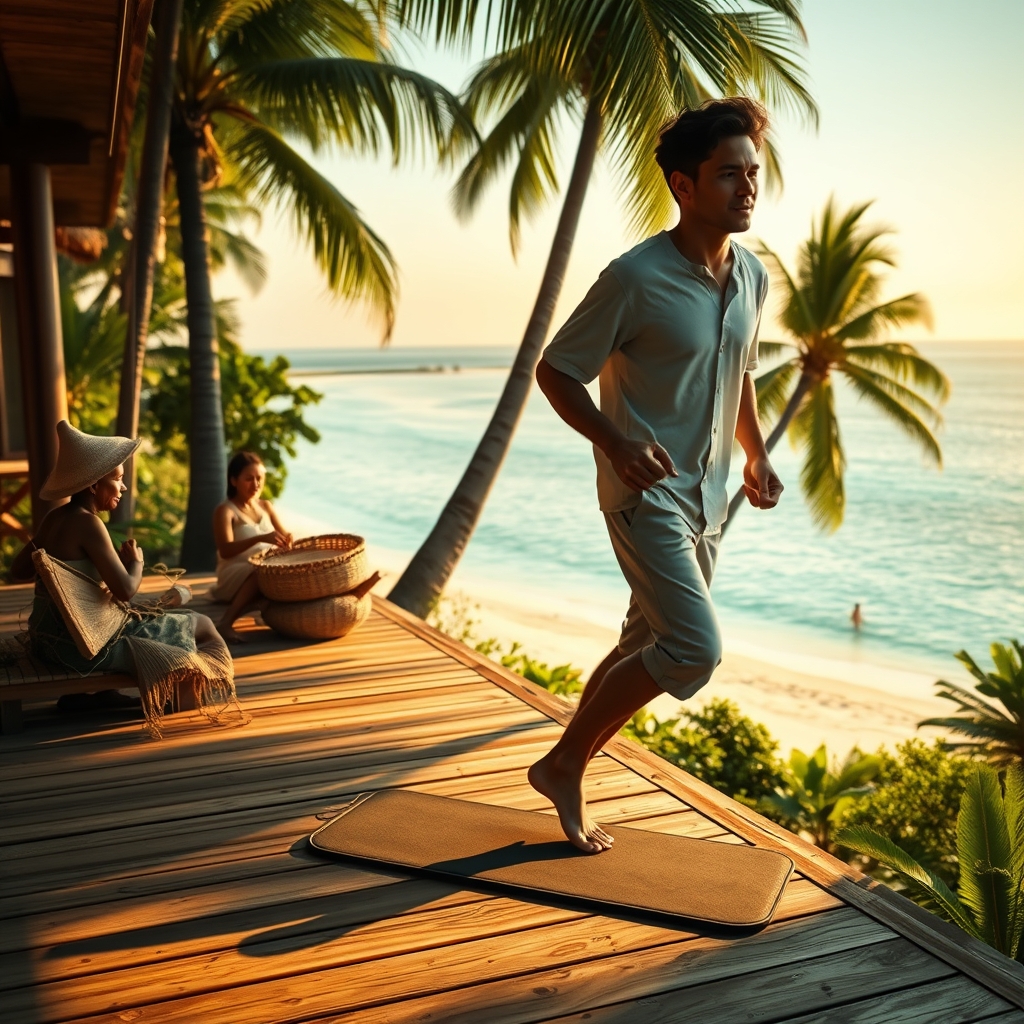
In a world where the pace of life seems to accelerate with each passing day, the concept of slow travel emerges not just as a trend, but as a necessary antidote to the relentless hustle. It’s a philosophy that invites travelers to step off the beaten path, to linger in places long enough to truly understand them, and to forge connections that transcend the superficial. Slow travel isn’t about ticking off destinations on a checklist; it’s about immersing yourself in the rhythm of a place, allowing its culture, people, and landscapes to shape your journey in ways that no guidebook ever could.
The Philosophy of Slow Travel
At its core, slow travel is about quality over quantity. It’s the difference between rushing through a city in 48 hours, snapping photos of landmarks without ever truly seeing them, and spending a week in a single neighborhood, learning the language, tasting the local cuisine, and engaging with the community. This approach doesn’t just enrich the traveler’s experience—it also fosters a deeper respect for the places visited, encouraging sustainable practices that benefit both the environment and the local economy.
Slow travel is inherently eco-conscious. By spending more time in fewer places, travelers reduce their carbon footprint, opting for trains over planes, local markets over imported goods, and eco-resorts over mass tourism hubs. It’s a way of traveling that aligns with the principles of sustainability, where the journey itself becomes as meaningful as the destination.
The Role of Eco Resorts in Mindful Adventure
Eco resorts are the perfect embodiment of slow travel’s principles. These havens of sustainability are designed to minimize their environmental impact while maximizing the guest’s connection to nature and local culture. From solar-powered villas nestled in tropical forests to off-grid retreats on hidden beaches, eco resorts offer a sanctuary for those seeking to escape the noise of modern life without leaving a trace behind.
What sets eco resorts apart is their commitment to authenticity. Many are owned and operated by local communities, ensuring that the benefits of tourism stay within the region. Guests are encouraged to participate in cultural activities, from traditional cooking classes to guided hikes led by indigenous guides. These experiences create a sense of belonging, transforming a simple vacation into a journey of discovery and personal growth.
Cultural Immersion: The Heart of Slow Travel
Cultural immersion is the soul of slow travel. It’s about more than just visiting museums or attending festivals—it’s about engaging with the daily lives of the people who call a place home. This could mean sharing a meal with a local family, learning a traditional craft, or simply spending an afternoon in a village square, observing the ebb and flow of life. These moments of connection are what make travel truly transformative.
One of the most powerful aspects of cultural immersion is its ability to challenge preconceived notions. When you spend time with people whose lives are vastly different from your own, you begin to see the world through their eyes. This shift in perspective fosters empathy, broadens your understanding of global issues, and often leaves you with a renewed sense of gratitude for the privileges you may take for granted.
The Digital Nomad’s Dilemma: Balancing Work and Wanderlust
For digital nomads, slow travel presents a unique opportunity to blend work and exploration in a way that feels sustainable and fulfilling. The rise of remote work has made it possible to earn a living from anywhere in the world, but it also comes with the challenge of avoiding the pitfalls of over-tourism and superficial experiences. By embracing slow travel, digital nomads can create a lifestyle that prioritizes depth over speed, connection over convenience.
Eco resorts and co-working spaces in remote destinations are becoming increasingly popular among digital nomads seeking a balance between productivity and adventure. These spaces offer reliable internet, comfortable work environments, and a community of like-minded individuals, all while being surrounded by nature. It’s a way to stay connected without losing touch with the world around you.
The Walking Pad Revolution: Mindful Movement in Motion
One of the most unexpected tools in the slow traveler’s arsenal is the walking pad. Originally designed for home offices, these compact treadmills have found a new purpose in the world of mindful travel. By incorporating movement into the workday, digital nomads can stay active while staying productive, turning sedentary hours into opportunities for gentle exercise.
The walking pad is more than just a fitness tool—it’s a symbol of the slow travel ethos. It encourages travelers to take breaks, to move their bodies, and to stay present in the moment. Whether it’s a sunrise walk in a tropical paradise or a midday stroll through a bustling market, the walking pad reminds us that travel is as much about the journey within as it is about the destinations we explore.
Hidden Beaches and Secret Islands: The Ultimate Slow Travel Escapes
For those seeking the ultimate slow travel experience, hidden beaches and secret islands offer a sense of seclusion and tranquility that’s increasingly rare in today’s world. These remote destinations are often untouched by mass tourism, allowing travelers to connect with nature in its purest form. Whether it’s a secluded cove in Southeast Asia or a private island in the South Pacific, these places provide the perfect backdrop for reflection, relaxation, and rejuvenation.
What makes these destinations so special is their ability to slow time itself. Without the distractions of modern life, travelers can fully immerse themselves in the present moment. The sound of waves crashing against the shore, the warmth of the sun on your skin, the gentle rustle of palm trees in the breeze—these are the simple pleasures that remind us of what truly matters.
Slow travel is more than just a way to see the world—it’s a way to experience it. It’s about savoring the moments that often go unnoticed when we’re in a hurry, about forming connections that last long after the journey ends, and about leaving a place better than you found it. In a world that’s constantly moving, slow travel invites us to pause, to breathe, and to remember that the most meaningful adventures are the ones that unfold at their own pace. The beauty of slow travel lies not in the destinations we reach, but in the lives we touch, the stories we collect, and the person we become along the way.


