
The Silent Invitation: How Eco Resorts and Cultural Immersion Are Crafting the Next Wave of Sustainable Bleisure
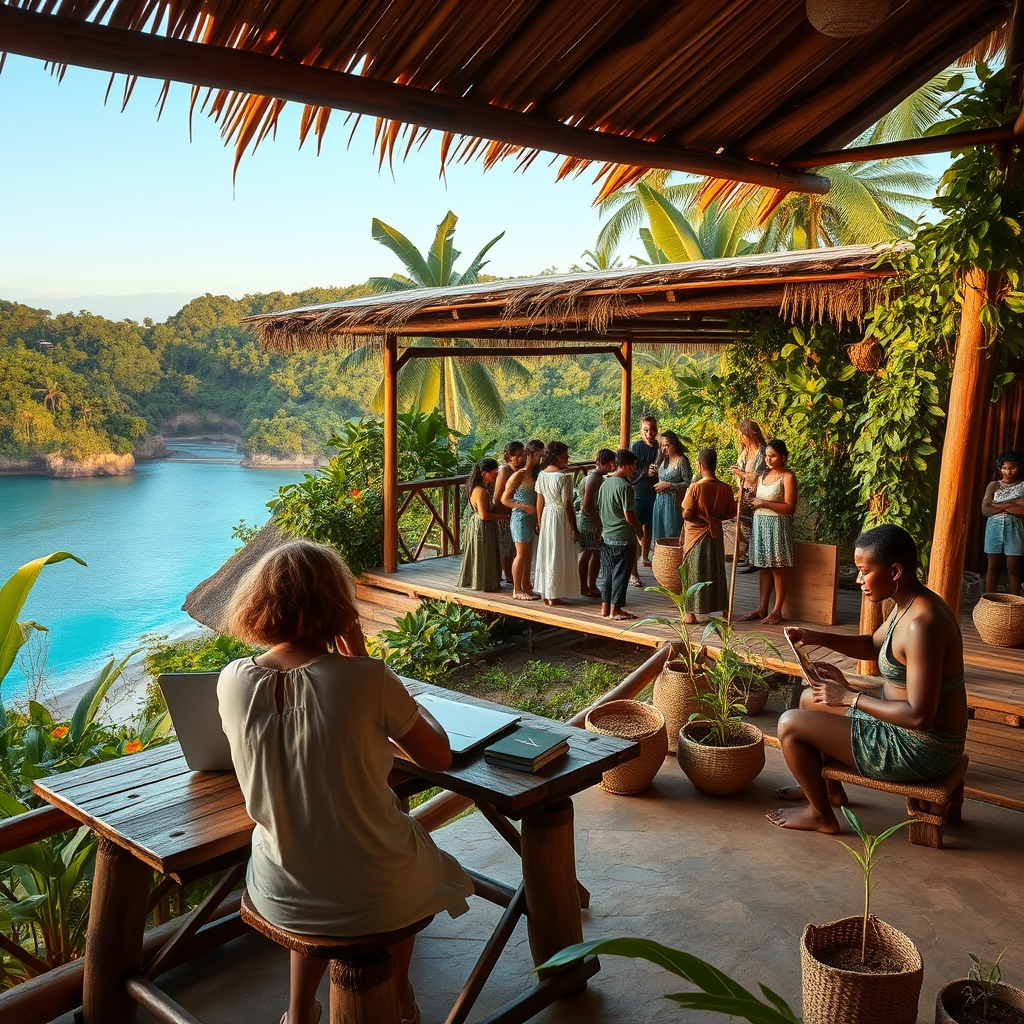
There’s a quiet revolution unfolding in the way we travel—one that doesn’t announce itself with fanfare or flashy itineraries but instead whispers through the rustling leaves of ancient forests, the rhythmic crash of untouched waves, and the warm, unhurried smiles of locals who’ve known the land for generations. This is the world of sustainable bleisure, where the boundaries between work, wellness, and cultural immersion blur into something far more meaningful than a typical getaway. It’s not just about escaping the daily grind; it’s about reconnecting with the planet and its people in ways that leave both traveler and destination richer for the experience.
The Rise of the Conscious Nomad
The modern traveler is no longer content with surface-level experiences. The era of the Instagram-driven tourist, snapping photos in front of overcrowded landmarks before rushing off to the next hotspot, is giving way to a deeper, more intentional way of exploring the world. Enter the conscious nomad—a traveler who seeks out eco resorts not just for their luxury but for their commitment to sustainability, who chooses slow travel over rushed itineraries, and who understands that the true magic of a place lies in its stories, not its selfie opportunities.
These travelers are drawn to destinations where they can work remotely during the day and immerse themselves in local culture by evening. They’re trading sterile hotel rooms for eco-friendly villas nestled in lush landscapes, where solar power hums quietly in the background and rainwater is harvested for reuse. They’re opting for resorts that prioritize regenerative tourism—efforts that go beyond minimizing harm to actively restoring ecosystems, supporting local communities, and preserving cultural heritage. This isn’t just travel; it’s a partnership with the places they visit, a promise to leave them better than they found them.
Where Work Meets Wonder
The concept of bleisure—blending business with leisure—has evolved far beyond the occasional extended weekend in a city. Today’s digital nomads are redefining what it means to work while traveling, turning remote work into an opportunity to cultivate a lifestyle that’s as fulfilling as it is productive. Imagine starting your day with a sunrise yoga session on a secluded beach, followed by a few hours of focused work in a breezy, open-air coworking space. By afternoon, you’re learning traditional weaving techniques from a local artisan, or perhaps joining a community-led reforestation project. The line between work and wonder dissolves, replaced by a rhythm that feels as natural as the tides.
Eco resorts are at the forefront of this movement, designing spaces that cater to the needs of the modern remote worker without sacrificing their commitment to sustainability. High-speed internet is powered by renewable energy, coworking spaces are built from reclaimed materials, and wellness programs are integrated into the daily routine. These resorts understand that productivity and well-being are intertwined, and they’re crafting environments where both can thrive. The result? A travel experience that nourishes the mind, body, and soul—while also getting the job done.
The Art of Cultural Alchemy
At the heart of sustainable bleisure is the belief that travel should be a two-way exchange. It’s not just about what a destination can offer the traveler, but what the traveler can offer in return. This philosophy is giving rise to a new kind of cultural tourism—one that’s rooted in mutual respect, curiosity, and a genuine desire to connect. Travelers are no longer passive observers; they’re active participants in the stories of the places they visit.
Take, for example, the eco resort tucked away in the highlands of Bali, where guests are invited to join local farmers in their daily rituals, learning the ancient art of rice cultivation while contributing to the community’s food security. Or the sustainable lodge in Costa Rica, where visitors can work alongside conservationists to protect endangered sea turtles, gaining a deeper understanding of the delicate balance between human activity and nature. These experiences don’t just enrich the traveler—they create lasting bonds between people and places, fostering a sense of global citizenship that transcends borders.
The Slow Travel Manifesto
In a world that’s constantly rushing, slow travel is a radical act of resistance. It’s about savoring the journey as much as the destination, about lingering in a place long enough to let its essence seep into your bones. For the sustainable bleisure traveler, slow travel isn’t just a preference—it’s a necessity. It’s the only way to truly understand a culture, to form meaningful connections, and to minimize the environmental impact of travel.
This philosophy is reshaping the way we think about time and travel. Instead of cramming multiple destinations into a single trip, slow travelers are choosing to stay in one place for weeks or even months, immersing themselves in the local way of life. They’re trading fast-paced tours for leisurely walks through villages, where every conversation with a shopkeeper or street vendor becomes a thread in the tapestry of their experience. They’re opting for eco resorts that offer long-term stays, where they can settle into a routine that feels as nourishing as it does adventurous.
The Future of Travel is Already Here
The shift toward sustainable bleisure isn’t just a trend—it’s a fundamental reimagining of what travel can and should be. It’s a recognition that the most transformative experiences aren’t found in the places we go, but in the way we choose to engage with them. As more travelers embrace this mindset, the industry is responding with innovative solutions that prioritize sustainability, cultural immersion, and well-being. From eco resorts powered by renewable energy to community-led tourism initiatives that empower local voices, the future of travel is being written by those who dare to slow down, dig deeper, and travel with intention.
Yet, perhaps the most beautiful aspect of this movement is its quietness. There are no grand declarations, no loud proclamations of change—just the steady, unhurried footsteps of travelers who are choosing to walk a different path. One that leads not just to new destinations, but to a deeper understanding of themselves and the world around them. And in that silence, there’s an invitation—one that asks us to step off the beaten path, to listen to the stories the earth has to tell, and to become not just visitors, but stewards of the places we call home, if only for a little while.


