
The Hidden Magic of Walking Pads: How Mindful Movement is Transforming Solo Travel and Sustainable Wellness
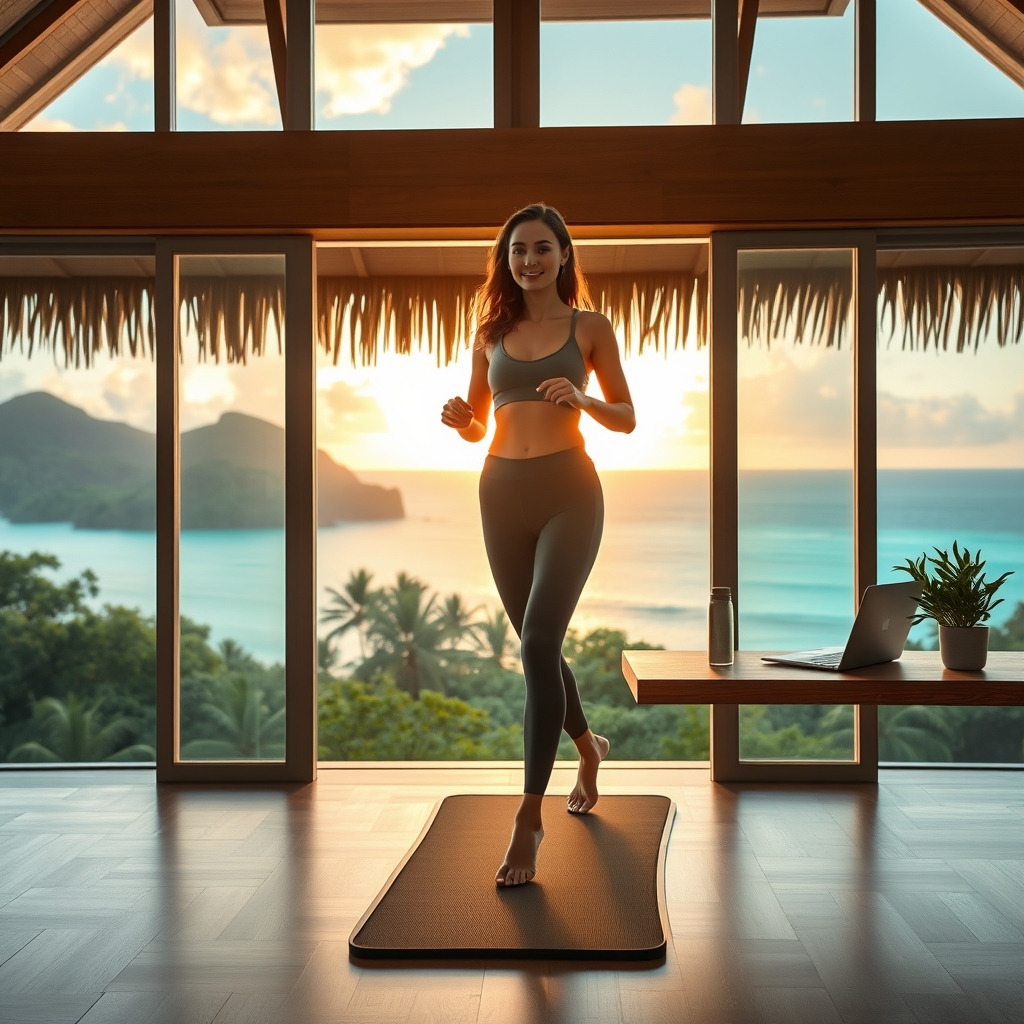
There’s something profoundly liberating about traveling alone—no compromises, no schedules, just the open road and the quiet hum of self-discovery. But for the modern solo traveler, especially those who blend work and wanderlust, the challenge often lies in maintaining balance. How do you stay active when your days are spent hopping between cafes, co-working spaces, and hidden beaches? The answer might be simpler than you think: a walking pad. This unassuming piece of equipment is quietly revolutionizing the way we experience travel, merging mindful movement with the rhythms of sustainable exploration.
The Rise of the Walking Pad in Solo Travel
Solo travel has always been about freedom, but for digital nomads and wellness-focused explorers, it’s also about discipline. The walking pad—a compact, under-desk treadmill—has emerged as a game-changer for those who refuse to sacrifice their health for adventure. Unlike traditional gyms, which can feel rigid and out of place in a traveler’s fluid lifestyle, walking pads offer flexibility. They fit seamlessly into small apartments, eco-resorts, or even the corner of a beachfront villa, allowing you to log miles while answering emails, brainstorming ideas, or simply soaking in the view.
What makes walking pads particularly appealing to solo travelers is their adaptability. Whether you’re in a bustling city or a remote island, you can maintain a routine that keeps both body and mind in sync. The gentle motion of walking while working doesn’t just burn calories; it fosters creativity and reduces the stress that often accompanies long hours of remote work. For those who prioritize wellness tourism, this is a subtle yet powerful way to integrate movement into daily life without disrupting the flow of exploration.
The Connection Between Mindful Movement and Sustainable Travel
Sustainable travel isn’t just about where you go—it’s about how you move through the world. Walking pads align perfectly with this ethos by encouraging a slower, more intentional pace. Instead of rushing from one tourist hotspot to another, travelers can ground themselves in the present moment, whether they’re strolling through a local market or pacing gently while drafting a blog post. This mindful approach to movement mirrors the principles of slow travel, where the journey itself becomes as meaningful as the destination.
Eco-resorts and wellness retreats have taken notice, incorporating walking pads into their offerings as a way to enhance the guest experience. Imagine starting your day with a sunrise walk on a treadmill overlooking the ocean, or unwinding in the evening with a leisurely stroll while listening to the sounds of nature. These moments of quiet reflection are what transform a trip into a transformative experience. For solo travelers, in particular, this practice can be a form of self-care, a way to reconnect with oneself amid the chaos of constant motion.
Why Walking Pads Are a Perfect Fit for Digital Nomads
The digital nomad lifestyle is all about blending productivity with adventure, but it’s not without its challenges. Long hours in front of a screen can lead to stagnation, both physically and mentally. Walking pads offer a solution by turning sedentary work into an opportunity for movement. The beauty of this setup is that it doesn’t require a gym membership or a specific location—just a small space and a willingness to prioritize well-being.
For those who thrive in tropical escapes or island-hopping adventures, walking pads provide a way to stay active without sacrificing the joy of exploration. You can take a call while walking along a virtual trail, or brainstorm your next travel itinerary while pacing in your private villa. This fusion of work and wellness is what makes the walking pad such a valuable tool for modern travelers. It’s not about intense workouts; it’s about consistent, mindful movement that keeps you energized and inspired.
The Future of Wellness Tourism: Movement as a Lifestyle
Wellness tourism is evolving, and the focus is shifting from temporary retreats to sustainable lifestyle changes. Walking pads are at the forefront of this movement, offering a practical way to integrate health into everyday life, no matter where you are. Unlike traditional fitness routines, which can feel isolating or disruptive to travel plans, walking pads encourage a seamless blend of work, wellness, and wanderlust.
Eco-resorts and sustainable travel destinations are increasingly embracing this trend, designing spaces that cater to the needs of mindful travelers. From private villas with built-in walking pads to co-working spaces that prioritize movement, the future of travel is one where wellness isn’t an afterthought—it’s a natural part of the journey. For solo travelers, this means more opportunities to explore the world without compromising on health or happiness.
How to Incorporate a Walking Pad into Your Travel Routine
If you’re new to the idea of walking while working, the transition can feel a little awkward at first. Start small—perhaps with 15-minute sessions while checking emails or listening to a podcast. Gradually increase the duration as you become more comfortable. The key is to find a pace that feels natural, one that allows you to stay focused on your tasks while still reaping the benefits of movement.
For those staying in eco-resorts or private villas, take advantage of the space by setting up your walking pad near a window or balcony. The combination of fresh air and gentle movement can be incredibly invigorating. If you’re in a city, consider using your walking pad during breaks between meetings or sightseeing. The goal isn’t to replace exploration with exercise but to enhance it, making every step count in more ways than one.
Travel is about discovery, and sometimes the most profound revelations come from the simplest changes. A walking pad might seem like a small addition to your travel gear, but its impact can be transformative. It’s a reminder that wellness doesn’t have to be complicated—it just requires a little intention and the willingness to move through the world with purpose. Whether you’re a digital nomad, a solo explorer, or someone seeking a deeper connection to your surroundings, this unassuming tool could be the key to unlocking a more balanced, sustainable way of traveling. The journey is yours to shape, one step at a time.


