
The Art of Slow Travel: How Hidden Villas and Cultural Immersion Are Crafting the Next Wave of Sustainable Escapes
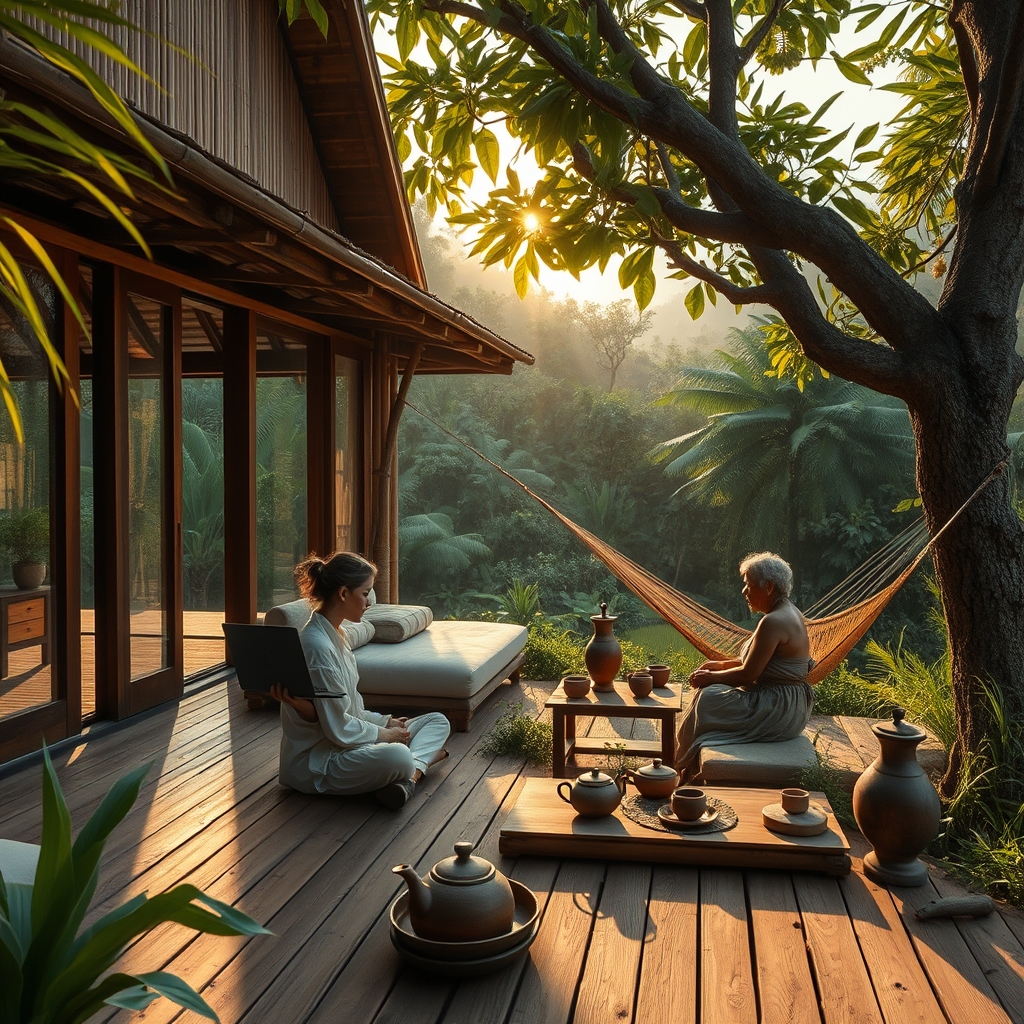
The world is moving faster than ever, yet a quiet revolution is unfolding—one that invites travelers to step off the hamster wheel and into a rhythm that feels deeply human. Slow travel isn’t just about taking more time; it’s about savoring the spaces in between, where the journey becomes as meaningful as the destination. In an era where remote work blurs the lines between leisure and productivity, a new kind of traveler is emerging—one who seeks authenticity, sustainability, and a deeper connection to the places they visit. And at the heart of this movement? Hidden villas, cultural immersion, and a commitment to leaving only footprints behind.
The Philosophy of Slow Travel
Slow travel is more than a trend; it’s a mindset. It’s the antithesis of the whirlwind tour, where travelers rush from one landmark to the next, barely scratching the surface of a place. Instead, it encourages lingering—whether that means spending a month in a single village, learning the local language, or simply sitting in a café and watching the world go by. This approach isn’t just about relaxation; it’s about respect. Respect for the environment, for local communities, and for the cultural nuances that make each destination unique.
At its core, slow travel is about quality over quantity. It’s choosing to explore fewer places but doing so with intention. For the digital nomad, this might mean trading a week in a bustling city for a month in a remote eco-villa, where the Wi-Fi is reliable but the distractions are minimal. For the solo traveler, it could involve staying in a family-run guesthouse, where every meal is a lesson in local cuisine and every conversation a bridge to understanding. The goal isn’t to see it all—it’s to experience deeply.
Hidden Villas: The New Frontier of Sustainable Luxury
Luxury doesn’t have to come at the planet’s expense. Hidden villas, tucked away in lush landscapes or perched on secluded coastlines, are redefining what it means to travel in style. These aren’t the cookie-cutter resorts of yesteryear; they’re thoughtfully designed spaces that blend seamlessly with their surroundings, often powered by renewable energy and built with locally sourced materials. Many are owned and operated by communities, ensuring that tourism dollars stay where they belong—supporting local economies rather than corporate chains.
Take, for example, the eco-villas of Bali’s Ubud region. Nestled among rice terraces and jungle canopies, these retreats offer more than just a place to stay. They’re sanctuaries for the soul, where guests can wake up to the sound of birdsong, practice yoga on a deck overlooking the forest, or take a cooking class with a local chef. The emphasis is on harmony—with nature, with culture, and with oneself. And because these villas are often off the beaten path, they attract travelers who are just as interested in the journey as they are in the destination.
Cultural Immersion: The Heart of Slow Travel
What’s the difference between a tourist and a traveler? The tourist sees a place; the traveler experiences it. Cultural immersion is the bridge between the two. It’s about more than just ticking off landmarks or snapping photos for social media. It’s about engaging with the people, traditions, and stories that shape a destination. And in the world of slow travel, this immersion is the ultimate luxury.
Imagine spending an afternoon with a local artisan in Oaxaca, learning the centuries-old techniques of pottery-making. Or joining a family in Kyoto for a traditional tea ceremony, where every gesture is steeped in meaning. These are the moments that transform a trip into a memory. They’re also the moments that foster mutual respect and understanding, breaking down the barriers between visitor and host. When travelers take the time to learn, they’re not just observing a culture—they’re becoming a part of it, if only for a little while.
Sustainable Practices for the Modern Explorer
Slow travel and sustainability go hand in hand. By spending more time in one place, travelers reduce their carbon footprint—fewer flights, less packing and unpacking, and more opportunities to support local businesses. But the benefits go beyond logistics. When you slow down, you notice things you might otherwise miss: the way the light filters through the trees at dawn, the scent of spices wafting from a street vendor’s stall, the warmth of a stranger’s smile. These small details are the building blocks of a more mindful, more meaningful travel experience.
For those who work remotely, slow travel offers the perfect balance between productivity and exploration. A hidden villa with a reliable internet connection becomes a home base, a place to work during the day and wander during the evenings. Co-working spaces in smaller towns and villages are popping up around the world, catering to digital nomads who want to blend work with cultural immersion. And because these travelers stay longer, they have the chance to give back—whether by volunteering, supporting local initiatives, or simply sharing their skills with the community.
The Future of Travel is Slow
The rise of slow travel isn’t just a reaction to the fast-paced world we live in; it’s a return to what travel was always meant to be. It’s about connection—with the places we visit, the people we meet, and the planet we call home. Hidden villas and cultural immersion are just two pieces of this puzzle, but they’re powerful ones. They remind us that the best journeys aren’t measured in miles or Instagram likes, but in the moments that stay with us long after we’ve returned home.
As the world reopens, there’s a growing sense of urgency to travel differently. To seek out experiences that nourish the soul rather than deplete the planet. To choose depth over speed, authenticity over convenience. Slow travel isn’t just a way to see the world—it’s a way to change it, one mindful step at a time. And in a time when the planet needs us to slow down, perhaps the greatest adventure of all is learning to savor the journey.


