
The Unseen Threads of Cultural Tourism: How Slow Travel and Hidden Beaches Weave Authentic Stories
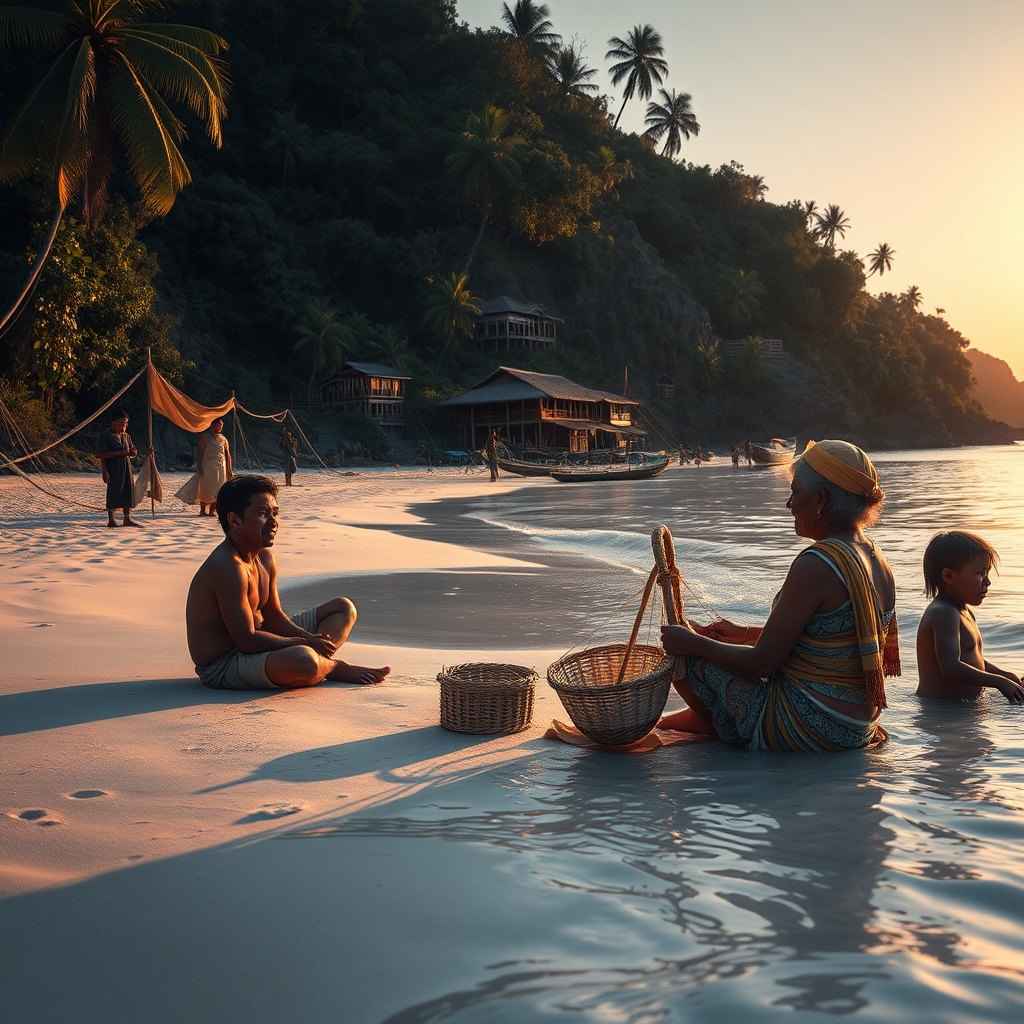
There’s a quiet revolution unfolding along the world’s most secluded shores and tucked-away villages, one that doesn’t rely on glossy brochures or crowded tourist traps. It’s the kind of travel that asks you to slow down, to listen, and to let the rhythm of a place seep into your bones. This is the heart of cultural tourism—not as a checklist of landmarks, but as a living, breathing exchange between traveler and destination. And nowhere is this more vivid than in the hidden corners of the world, where hidden beaches and slow travel become the threads that weave unforgettable stories.
The Myth of the “Must-See”
We’ve all felt the pressure of the “must-see” list—the Eiffel Tower at sunset, the Great Wall snaking into the mist, the Colosseum standing stoic under the Roman sky. These icons are undeniably powerful, but they’re also the tip of the iceberg. Beneath the surface lies a world of experiences that don’t make it into guidebooks: the fisherman in a quiet cove who invites you to share his lunch of freshly caught octopus, the elderly woman in a hillside village who teaches you the art of weaving baskets from local grasses, or the hidden beach where children play in the shallows while their parents tend to the day’s catch. These are the moments that define cultural tourism, not as a spectator sport, but as a participatory dance.
Slow travel isn’t just about spending more time in a place; it’s about allowing that place to spend time in you. It’s the difference between snapping a photo of a market stall and sitting down to learn the story behind the spices sold there. It’s choosing to wander through a neighborhood without a map, letting curiosity lead the way. In a world where speed is often equated with efficiency, slow travel is a radical act of resistance—one that says, “I am here to understand, not just to see.”
Hidden Beaches as Portals to Culture
Hidden beaches are more than just postcard-perfect escapes; they’re often the gateways to deeper cultural connections. Unlike the crowded shores of popular destinations, these secluded spots are where local life unfolds in its most unfiltered form. In the Philippines, the remote beaches of Palawan are dotted with small fishing villages where traditions have remained unchanged for generations. Here, travelers can spend a morning helping to mend nets or learning to cook *kinilaw*, a traditional ceviche made with fresh coconut vinegar and local herbs. The beach becomes a classroom, and the ocean, a teacher.
In the Caribbean, the lesser-known islands of Dominica and St. Vincent offer a similar invitation. Beyond the white sands and turquoise waters, these islands are home to communities where storytelling, music, and dance are woven into the fabric of daily life. A hidden beach might be the stage for an impromptu drum circle at sunset, or the starting point for a hike to a waterfall where locals gather to share legends of the island’s past. These experiences don’t just show you a place; they let you live it.
The Role of Eco Resorts in Cultural Preservation
Eco resorts are often seen as havens for sustainability, but their role in cultural tourism is equally profound. The best of these resorts don’t just minimize their environmental impact; they actively engage with and uplift the communities around them. In Costa Rica, for example, eco lodges like Lapa Rios in the Osa Peninsula work closely with local guides to offer immersive experiences that go beyond the typical tourist trail. Guests can participate in reforestation projects, learn about indigenous medicinal plants, or visit nearby schools to engage with students. These interactions create a two-way exchange, where travelers gain insight into local culture, and communities benefit from the economic and social support of responsible tourism.
Similarly, in Bali, eco resorts like Swaswara on Gili Meno blend wellness tourism with cultural immersion. Here, guests can take part in traditional Balinese ceremonies, learn the art of batik, or join local farmers in rice planting. The resort’s commitment to sustainability extends to its cultural initiatives, ensuring that the traditions of the island are preserved and celebrated. It’s a model of tourism that doesn’t just take from a place but gives back, fostering a sense of mutual respect and understanding.
The Digital Nomad’s Dilemma: Balancing Work and Cultural Immersion
For digital nomads, the challenge of cultural tourism is finding the balance between productivity and presence. Remote work offers the freedom to explore the world, but it’s all too easy to fall into the trap of treating destinations as mere backdrops to a laptop screen. The key lies in intentionality—choosing places that invite immersion, not just Instagram moments. A hidden beach in Portugal’s Algarve might serve as an office for a few hours in the morning, but the afternoon could be spent learning to surf from a local instructor or joining a community potluck where expats and locals alike share stories over homemade wine.
Co-working spaces in culturally rich destinations are also playing a role in this shift. In Mexico’s Oaxaca, for example, spaces like Selina offer more than just reliable Wi-Fi; they host language exchange meetups, cooking classes, and art workshops that connect nomads with the local community. These spaces become hubs of cultural exchange, where the line between traveler and local blurs, and the act of working remotely becomes an opportunity to engage more deeply with a place.
Destination Dupes: The Sustainable Alternative to Over-Tourism
The rise of “destination dupes”—lesser-known alternatives to over-touristed hotspots—is another trend reshaping cultural tourism. Instead of flocking to Bali, travelers are discovering the quiet charm of Lombok or the untouched beauty of Sumba. Instead of Santorini, they’re opting for the whitewashed villages of Milos or the volcanic landscapes of Nisyros. These dupes offer the same allure as their more famous counterparts but with a fraction of the crowds and a greater emphasis on authentic experiences.
Take the case of the Azores, a Portuguese archipelago that’s often overshadowed by Madeira. Here, travelers can explore lush landscapes, soak in natural hot springs, and engage with local communities that have preserved their traditions for centuries. The Azores’ commitment to sustainable tourism ensures that these experiences remain unspoiled, offering a glimpse into a way of life that’s in harmony with nature. It’s a reminder that the best cultural experiences often lie off the beaten path, waiting to be discovered by those willing to venture beyond the familiar.
Travel, at its core, is about connection—with a place, with its people, and with the stories that bind them together. The hidden beaches, the slow mornings spent sipping coffee with locals, the eco resorts that double as cultural hubs—these are the threads that weave the tapestry of authentic travel. They remind us that the world isn’t just a series of destinations to be checked off a list, but a living, breathing entity that invites us to be part of its story. And when we accept that invitation, we find that the most profound adventures aren’t the ones we plan, but the ones that unfold when we allow ourselves to be truly present.


