
Crafting the Impossible: How Simulated Worlds Are Becoming Our New Reality
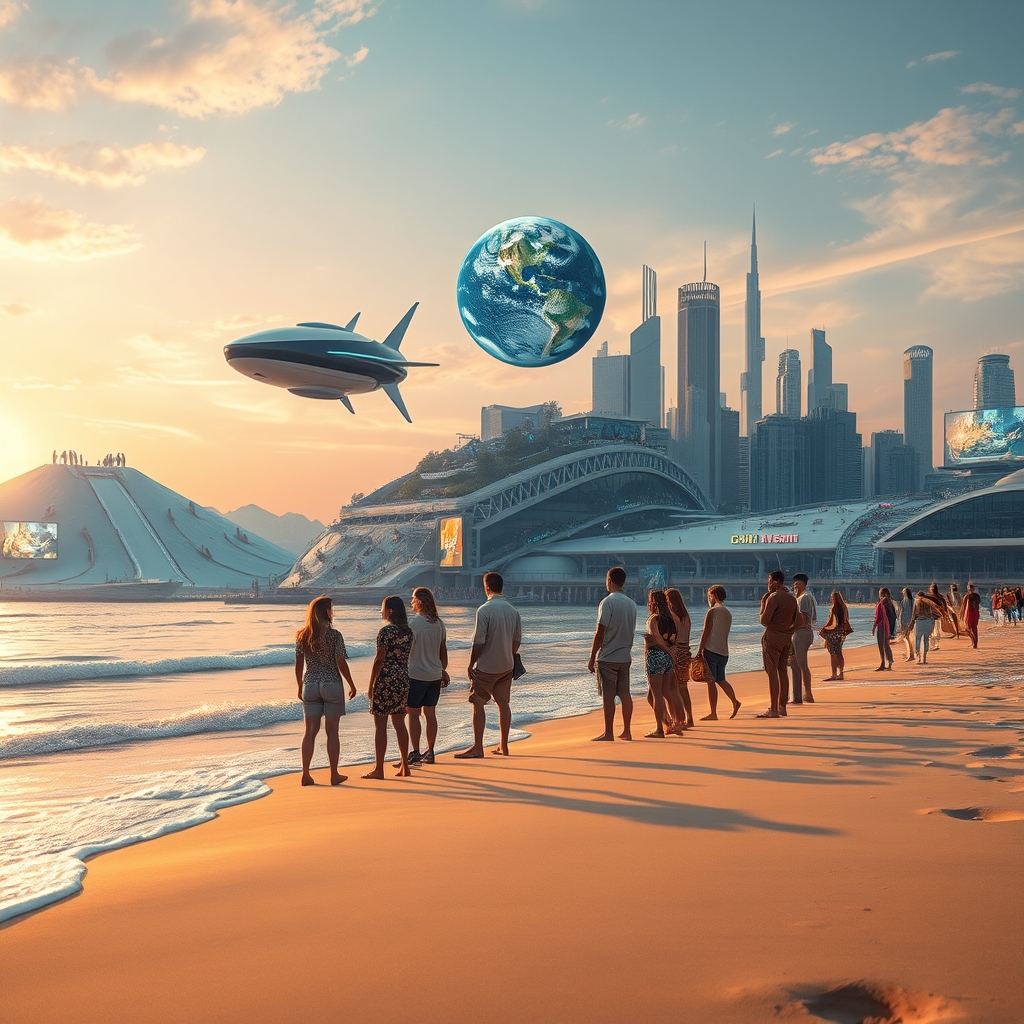
Imagine stepping into a world where the boundaries of nature and human ingenuity blur into a seamless tapestry of wonder. A place where the rustling of leaves isn’t carried by the wind but by hidden speakers, where the scent of pine isn’t from a forest but from a carefully calibrated aroma diffuser, and where the horizon stretches not to the edge of the Earth but to the limits of imagination. This is the realm of simulated environments—a rapidly evolving frontier where technology and creativity converge to craft experiences that were once the stuff of dreams. From the shimmering waves of artificial beaches to the neon-lit streets of replica cities, these engineered escapes are redefining what it means to explore, relax, and adventure.
The Alchemy of Immersion: Why Simulated Worlds Captivate Us
At the heart of every great simulated environment lies a simple yet profound truth: humans crave immersion. We yearn to lose ourselves in stories, to step outside the mundane, and to experience the extraordinary. Theme parks have long been the pioneers of this concept, using rides, theming, and storytelling to transport visitors to fantastical realms. But today, the scope of immersion has expanded far beyond roller coasters and cotton candy. Modern simulated worlds leverage cutting-edge technology to engage all five senses, creating experiences that are as emotionally resonant as they are visually stunning.
Consider the rise of indoor slopes, where skiers and snowboarders can carve through powdery white slopes under the glow of artificial sunlight, regardless of the season or location. These environments don’t just mimic the physical act of skiing—they replicate the ambiance, the chill in the air, and even the distant chatter of fellow adventurers. Similarly, artificial beaches bring the ocean’s edge to landlocked cities, complete with wave machines, sandy shores, and the soothing sound of crashing waves. These spaces aren’t just about recreation; they’re about evoking the essence of a place, allowing people to connect with environments they might never otherwise experience.
Beyond the Physical: The Digital Frontier of Exploration
While physical simulated environments offer tangible escapes, the digital realm is pushing the boundaries of immersion even further. Virtual reality (VR) and augmented reality (AR) are transforming how we interact with the world, turning passive observation into active participation. VR tourism, for instance, allows users to explore the pyramids of Egypt, dive into the Great Barrier Reef, or walk the streets of ancient Rome—all from the comfort of their living rooms. These experiences aren’t just about sightseeing; they’re about storytelling, education, and emotional connection. By blending historical accuracy with interactive elements, VR tourism creates a sense of presence that traditional travel often can’t match.
Augmented reality, on the other hand, layers digital elements onto the real world, creating hybrid experiences that enhance our perception of reality. Imagine walking through a botanical garden where AR glasses reveal hidden details about the plants, or visiting a museum where exhibits come to life with animated stories and interactive displays. These technologies don’t replace the physical world; they enrich it, offering new ways to engage with the spaces and stories around us.
The Rise of Replica Cities and Sci-Fi Worlds
For those who crave the thrill of exploration without the constraints of reality, replica cities and sci-fi worlds offer a tantalizing alternative. These environments are meticulously designed to replicate real-world locations or imagine entirely new ones, often with a twist. Take, for example, the replica cities that have sprung up in places like China and Dubai, where entire neighborhoods mimic the architecture and culture of European cities. These spaces allow visitors to experience the charm of Paris or Venice without ever leaving their home country, offering a taste of global culture in a controlled, curated setting.
On the other end of the spectrum, sci-fi worlds like those found in theme resorts or interactive museums transport visitors to galaxies far, far away. These environments are designed to feel like stepping into a movie or video game, complete with alien landscapes, futuristic technology, and immersive storytelling. Whether it’s a mechanical safari where robotic animals roam a digital savanna or a pop-up installation that transforms a city block into a post-apocalyptic wasteland, these experiences blur the line between fiction and reality, inviting visitors to become part of the story.
The Future of Leisure: Where Do We Go From Here?
As technology continues to advance, the possibilities for simulated environments are virtually limitless. We’re already seeing the emergence of space tourism, where companies like SpaceX and Blue Origin are making it possible for civilians to experience the thrill of zero gravity and the awe of Earth from above. Meanwhile, artificial reefs and man-made lakes are creating new ecosystems that support biodiversity while offering unique recreational opportunities. Even capsule hotels and themed resorts are evolving, using modular design and smart technology to create personalized, immersive stays that cater to individual preferences.
The common thread among all these innovations is the desire to create experiences that are more than just passive entertainment. Simulated environments are about connection—whether it’s connecting with a place, a story, or even ourselves. They allow us to explore the impossible, to step outside our everyday lives, and to rediscover the joy of wonder. In a world where the line between real and artificial is increasingly blurred, these engineered escapes offer something truly precious: the chance to experience the extraordinary, even if just for a moment.
As we look to the future, one thing is clear: the allure of simulated worlds isn’t just about escapism. It’s about redefining what it means to explore, to learn, and to connect. Whether through the shimmering waves of an artificial beach, the neon glow of a replica city, or the weightless freedom of a virtual spacewalk, these environments are crafting a new reality—one where the only limit is our imagination.


