
Beyond the Brochure: Discovering the Soul of Cultural Tourism in Remote Destinations
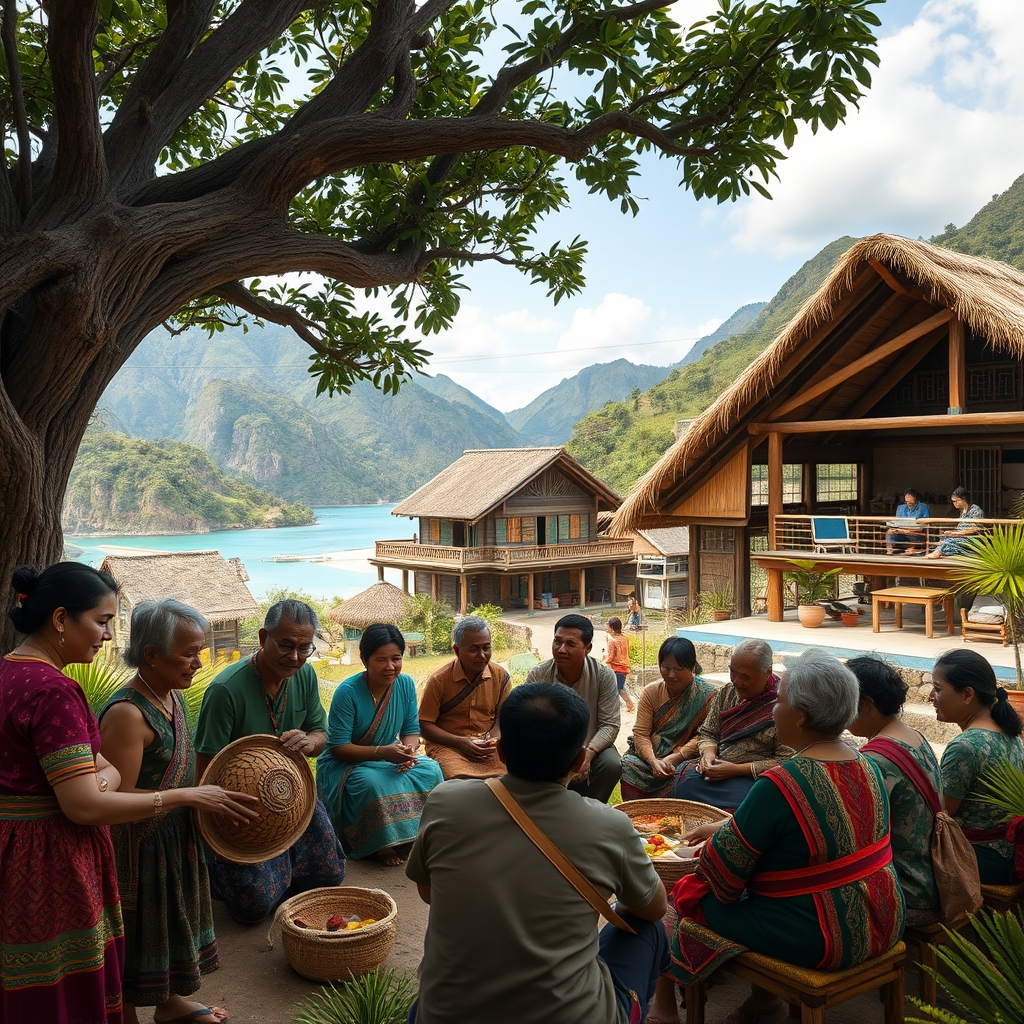
In an era where travel has become synonymous with ticking off bucket-list landmarks and chasing Instagram-worthy moments, a quieter revolution is unfolding. Cultural tourism, once relegated to guided museum tours and scripted performances, is evolving into something far more authentic—an immersive journey into the heart of communities that thrive beyond the well-trodden path. For those willing to venture off-grid, remote destinations offer not just a glimpse into traditions untouched by mass tourism, but a chance to redefine what it means to travel responsibly and meaningfully.
The Allure of the Unseen
Imagine stepping into a village where time moves to the rhythm of the seasons, where artisans craft pottery using techniques passed down through generations, and where festivals are celebrated not for tourists, but for the community itself. These are the places where cultural tourism transcends observation and becomes participation. From the misty highlands of Bhutan, where monks debate philosophy in ancient monasteries, to the vibrant markets of Oaxaca, where Zapotec weavers share stories through their textiles, remote destinations invite travelers to engage with living cultures rather than curated exhibits.
The appeal of these experiences lies in their rawness. Unlike staged performances in tourist hubs, the interactions here are organic—whether it’s learning to cook a traditional dish with a local family, joining a fishing expedition at dawn, or simply sharing stories under a starlit sky. These moments don’t just enrich the traveler; they create a two-way exchange that fosters mutual respect and understanding. For the communities, it’s an opportunity to share their heritage on their own terms, while for visitors, it’s a reminder that the world is far more diverse—and far more connected—than we often realize.
Sustainable Travel as a Bridge, Not a Burden
Cultural tourism in remote areas is inherently tied to the principles of sustainable travel. When done right, it can provide economic benefits to communities without compromising their way of life. Eco resorts and locally owned homestays, for example, offer travelers a place to stay that aligns with their values while ensuring that revenue stays within the community. In places like the Solomon Islands or the rural villages of Madagascar, tourism initiatives are designed to support conservation efforts, fund education, and preserve indigenous knowledge.
However, the key to sustainability lies in balance. Over-tourism, even in remote areas, can erode the very culture it seeks to celebrate. Responsible travelers must ask themselves: Are we leaving a place better than we found it? Are we respecting local customs, or are we treating them as commodities? The answers to these questions shape the future of cultural tourism. By choosing to travel slowly, support local businesses, and engage with humility, we can ensure that these experiences remain authentic for generations to come.
The Digital Nomad’s Role in Cultural Preservation
The rise of remote work has introduced a new dynamic to cultural tourism. Digital nomads, drawn to destinations for their affordability and beauty, often find themselves in places where traditional ways of life are still intact. While this can bring economic opportunities, it also presents challenges. The influx of outsiders can drive up living costs, strain local resources, and even alter the social fabric of a community.
Yet, when approached mindfully, digital nomads can become stewards of cultural preservation. By integrating into communities rather than isolating themselves in expat bubbles, they can foster genuine connections. Language exchanges, skill-sharing workshops, and collaborative projects—such as documenting oral histories or supporting local artisans—can turn a temporary stay into a lasting contribution. Platforms like Workaway or WWOOF offer structured ways for travelers to give back, but even small gestures, like learning a few phrases in the local language or participating in community events, can make a difference.
Hidden Beaches and Secret Islands: Where Culture Meets Nature
Some of the most profound cultural experiences unfold in destinations where nature and tradition are deeply intertwined. The secret islands of Indonesia’s Raja Ampat, for instance, are not just a diver’s paradise but also home to indigenous communities whose lives revolve around the sea. Here, travelers can witness ancient fishing techniques, learn about marine conservation from local elders, and even participate in rituals that honor the ocean’s bounty.
Similarly, the hidden beaches of Nicaragua’s Little Corn Island offer more than just pristine sands. The Afro-Caribbean culture of the island, shaped by centuries of isolation, is a vibrant tapestry of music, dance, and storytelling. Visitors who take the time to engage with the community—whether by joining a drumming circle or helping with a community garden—leave with a deeper appreciation for the resilience and creativity of the human spirit.
The Slow Travel Mindset: Why Less Is More
In a world obsessed with speed, cultural tourism in remote destinations demands a different pace. Slow travel isn’t just about spending more time in a place; it’s about immersing yourself fully, letting go of itineraries, and allowing the destination to reveal itself on its own terms. It’s the difference between snapping a photo of a festival and dancing in it, between tasting a dish and learning to cook it, between seeing a landscape and understanding its significance to the people who call it home.
This mindset also extends to how we prepare for our journeys. Researching the history, customs, and etiquette of a destination before arrival shows respect and opens doors to deeper connections. It’s the difference between being a spectator and becoming a temporary member of the community. And while not every traveler has the luxury of extended stays, even a few days spent with intention can transform a trip from a checklist into a chapter of personal growth.
Luxury Redefined: The Rise of Eco-Conscious Villas
For those seeking comfort without compromising their values, eco-conscious luxury villas are redefining what it means to travel in style. These properties, often tucked away in remote corners of the world, blend high-end amenities with sustainable practices. Solar-powered energy, rainwater harvesting, and locally sourced materials are just the beginning. Many also serve as gateways to cultural experiences, offering guests the chance to learn from local artisans, chefs, and guides.
In Costa Rica’s Nicoya Peninsula, for example, villas like Finca Luna Nueva offer not just a place to stay but a holistic experience. Guests can participate in permaculture workshops, learn about indigenous herbal medicine, or simply unwind in a setting that harmonizes with the surrounding rainforest. These stays prove that luxury and sustainability are not mutually exclusive—they’re two sides of the same coin.
As the world becomes more interconnected, the desire to disconnect—to step away from the noise and reconnect with something real—has never been stronger. Cultural tourism in remote destinations offers a path to do just that. It’s a reminder that travel is not just about seeing new places, but about seeing the world through new eyes. The stories we bring back are not just souvenirs; they’re the threads that weave us into the tapestry of humanity. And perhaps, in sharing them, we inspire others to seek out their own adventures beyond the brochure.


