
The Unseen Elegance of Slow Travel: How Walking Pads and Cultural Immersion Are Crafting the Next Wave of Eco-Conscious Exploration
The modern traveler is no longer content with the fleeting snapshots of a destination, the hurried selfies in front of landmarks, or the superficial checklist of must-see attractions. Instead, a quieter, more intentional movement is taking root—one that values depth over speed, connection over convenience, and sustainability over spectacle. This is the essence of slow travel, a philosophy that invites explorers to linger, absorb, and engage with the world in a way that leaves both the traveler and the destination enriched. At its heart, slow travel is not just about where you go, but how you experience it, and increasingly, it’s being redefined by two unexpected allies: the humble walking pad and the transformative power of cultural immersion.
The Walking Pad: A Portal to Mindful Movement
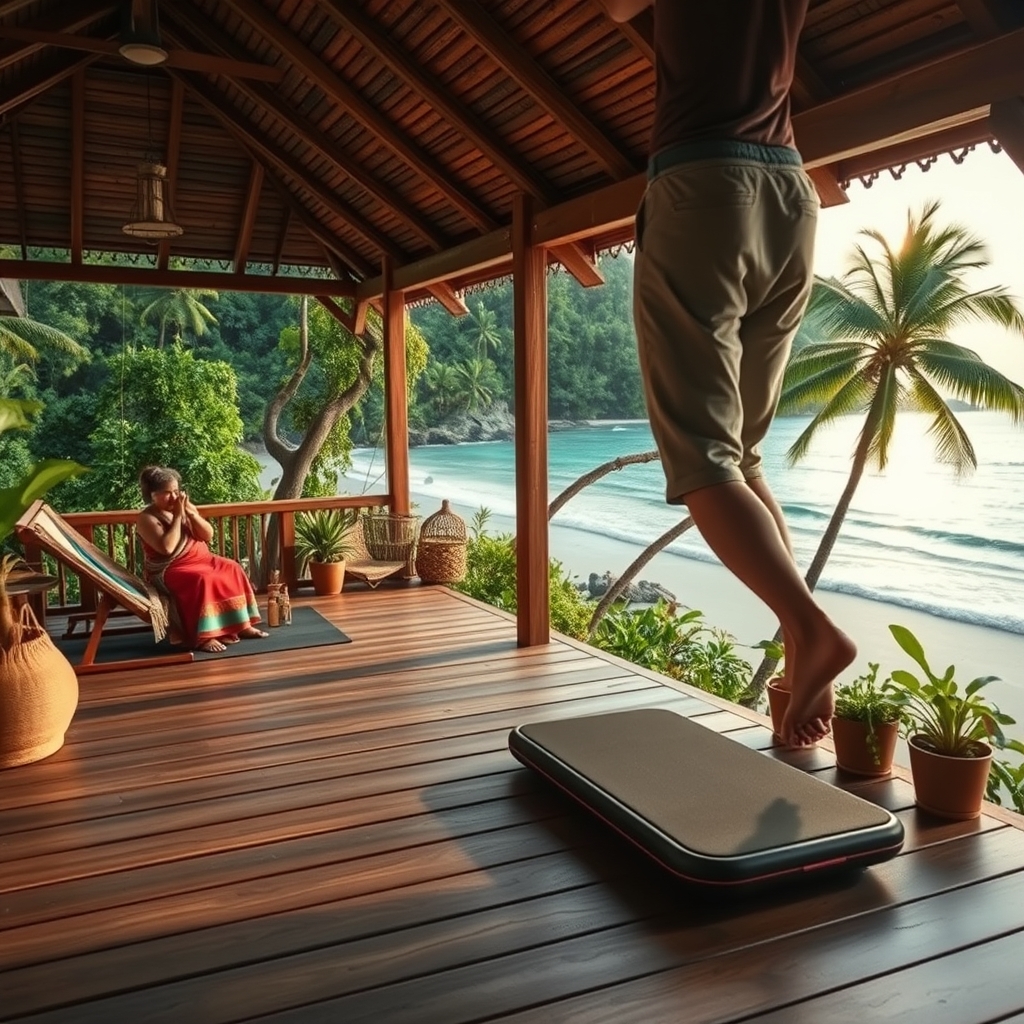
In an era where remote work has blurred the lines between office and adventure, the walking pad has emerged as an unlikely hero of the slow travel movement. Once relegated to home offices as a tool for breaking the monotony of desk-bound workdays, it has found new life in eco-resorts, boutique hotels, and even private villas, where it serves as a bridge between productivity and presence. Imagine starting your day with a sunrise walk along a virtual trail, the rhythmic hum of the pad beneath your feet syncing with the gentle crash of waves outside your window. Or perhaps you’re in a mountain retreat, where the steady pace of your steps mirrors the slow, deliberate climb of the peaks around you.
The walking pad is more than just a piece of equipment; it’s a metaphor for the slow travel ethos. It encourages movement without haste, progress without pressure, and exercise without exhaustion. In a world that often equates travel with constant motion—rushing from one attraction to the next—the walking pad offers a counterpoint: the chance to slow down, to notice the details, and to cultivate a sense of mindfulness that extends far beyond the physical act of walking. For digital nomads and wellness seekers alike, it’s a tool that transforms routine into ritual, turning even the most mundane moments into opportunities for connection—with oneself, with the environment, and with the culture that surrounds them.
Cultural Immersion: The Soul of Slow Travel
If the walking pad is the body’s way of embracing slow travel, cultural immersion is its soul. True cultural immersion is not about observing a destination from the sidelines or collecting experiences like souvenirs. It’s about diving headfirst into the rhythm of a place, allowing its traditions, flavors, and stories to seep into your bones. This might mean spending an afternoon learning the art of traditional weaving from a local artisan in a remote village, or sharing a meal with a family whose ancestors have farmed the land for generations. It could be as simple as wandering through a bustling market, not as a tourist, but as a temporary resident, open to the serendipity of unexpected encounters.
Slow travel and cultural immersion are natural companions because both require time—the one resource that modern life often steals from us. In a world where algorithms dictate our attention spans and instant gratification is the norm, immersing yourself in a culture demands patience. It asks you to sit with discomfort, to embrace the unfamiliar, and to resist the urge to rush. The rewards, however, are immeasurable. A deep cultural connection can shift your perspective, challenge your assumptions, and leave you with memories that resonate long after you’ve returned home. It’s the difference between seeing a place and truly understanding it, between visiting a destination and becoming a part of its story.
The Eco-Conscious Edge of Slow Travel
At its core, slow travel is also a form of sustainable travel. The longer you stay in a place, the lighter your footprint. You’re less likely to hop on a plane for a weekend getaway, less inclined to consume resources at a frantic pace, and more invested in supporting local economies in a meaningful way. Eco-resorts and sustainable lodges have become sanctuaries for slow travelers, offering spaces where luxury and environmental stewardship coexist. These are places where solar panels power your walking pad, where farm-to-table dining is the norm, and where the architecture itself is designed to harmonize with the landscape rather than dominate it.
But sustainability in slow travel goes beyond the physical. It’s also about preserving the intangible—the stories, the traditions, and the cultural heritage that make a destination unique. When you take the time to learn from locals, to participate in their customs, and to contribute to their communities, you’re not just a traveler; you’re a temporary custodian of their way of life. This kind of travel fosters mutual respect, ensuring that the places we visit remain vibrant and authentic for generations to come.
Crafting Your Own Slow Travel Journey
Embracing slow travel doesn’t require a grand gesture or an elaborate itinerary. It starts with a shift in mindset—a willingness to trade quantity for quality, speed for depth, and detachment for connection. Begin by choosing destinations that resonate with you on a personal level, places that invite you to slow down and engage. Seek out accommodations that prioritize sustainability, whether it’s an eco-resort nestled in the jungle or a boutique hotel that sources its energy from renewable resources. Incorporate mindful movement into your routine, whether through a walking pad, yoga, or simply exploring on foot. Most importantly, give yourself permission to linger. Stay in one place for a week, a month, or even longer. Let the rhythm of the destination dictate your pace, not the other way around.
As you embark on your slow travel journey, you’ll find that the walking pad and cultural immersion are not just tools or experiences, but gateways to a deeper way of being in the world. They remind us that travel is not about escaping life, but about living it more fully—one mindful step, one authentic conversation, one unhurried moment at a time. The world is vast and wondrous, but its true magic lies not in how much of it we can see, but in how deeply we can feel it.


